End of Tenancy Cleaning in W13

Professional End of Tenancy Cleaning for Homes and Businesses in W13
If you are moving out of a flat, house, studio, or managed property in W13, a thorough End of Tenancy Cleaning in W13 can make the handover far less stressful. Whether you are a tenant preparing for inspection, a landlord getting ready for new occupants, or an agent needing a property refreshed between lets, a proper end of tenancy clean helps the space look its best when the keys are returned.
W13 covers a varied part of West London, and that variety matters when it comes to cleaning. Local homes include period terraces, purpose-built flats, maisonettes, converted buildings, and modern apartments. Each property type comes with different cleaning needs, from tricky sash windows and older skirting boards to compact kitchens, shared entrances, and limited parking. A local team that understands the area can plan around access, building layouts, and the realistic time needed to leave the property ready for check-out.
End of tenancy cleaning in W13 is not the same as a routine tidy-up. It is a detailed, room-by-room service designed to leave the property in a condition suitable for the next stage, whether that means a final inspection, a re-let, or a professional inventory comparison. The aim is to clean the property deeply and consistently, focusing on the areas most likely to be checked during move-out.
Why Local Customers in W13 Choose a Specialist Move-Out Clean
Moving house is busy enough without trying to deep-clean a property at the same time. Tenants in W13 often need to manage removals, deposit deadlines, utility transfers, packing, and travel all in one short period. That is why many people choose a specialist end of tenancy cleaning service rather than trying to do everything themselves at the last minute. It saves time, reduces pressure, and gives you a much better chance of leaving the property in a presentable condition.
For landlords and letting agents, an organised move-out clean is equally important. A well-cleaned property is easier to market, easier to inspect, and more attractive to prospective tenants. In busy rental areas around W13, properties often need to turn around quickly between tenancies. A local cleaning team can help keep that process moving by dealing with the hard-to-reach dirt and the build-up that can occur during months or years of occupation.
There is also a practical local advantage. W13 includes streets and developments where parking can be limited, access may be through communal hallways, and lift use may need to be scheduled carefully. A nearby team is more likely to understand these challenges and arrive prepared, which helps the job run smoothly. That means less disruption for neighbours, fewer delays for you, and a more efficient service overall.

What End of Tenancy Cleaning in W13 Usually Includes
Every property is different, but a full end of tenancy clean is usually much deeper than a regular domestic clean. The service is designed to target the places that often collect grease, dust, limescale, fingerprints, and general wear. In many W13 properties, especially those with smaller kitchens, shared hallways, or older finishes, this level of attention makes a noticeable difference to the overall appearance of the home.
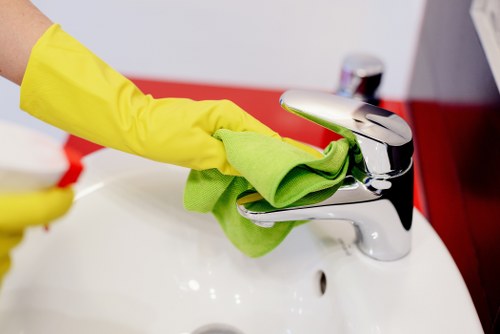
Typical tasks often include cleaning kitchens thoroughly, wiping cabinet fronts and interiors where accessible, degreasing hobs and extractor areas, cleaning sinks and taps, polishing worktops, and removing built-up grime from splashbacks. Bathrooms normally receive careful attention too, including descaling taps and tiles, cleaning toilets, scrubbing shower screens, and refreshing fixtures. Bedrooms and living areas are usually dusted, vacuumed, and wiped down so the property feels clean from top to bottom.
Many customers also request oven cleaning, fridge cleaning, internal window cleaning, and attention to doors, switches, skirting boards, and other touchpoints. A strong end of tenancy cleaning W13 service should be methodical, leaving no room overlooked and no common detail forgotten. That matters when an inventory check is likely to focus on condition as well as cleanliness.

Room-by-Room Breakdown for W13 Properties
Kitchens
Kitchens are often the most demanding part of any move-out clean. Cooking residue, food splashes, grease around appliances, and dust behind units can all build up over time. In flats around W13, kitchen space is often compact, so every surface is visible and every mark stands out. A detailed clean can include the hob, splashbacks, extractor exterior, cupboards, sink area, tiles, and accessible appliance surfaces.
Bathrooms and En-suites
Bathrooms need careful treatment because limescale and soap residue can build up quickly in West London homes, especially where water marks are visible on glass and chrome fittings. The cleaning process normally focuses on toilets, basins, baths, shower trays, screens, grout lines, and taps. If the bathroom is small, as is common in some W13 flats, attention to edges and fixtures makes the space feel much fresher.
Living Rooms and Bedrooms
These rooms are usually less difficult than kitchens or bathrooms, but they still need a proper final clean. Dust can gather on shelves, window frames, light switches, and skirting boards. Carpets and hard floors should be vacuumed or cleaned appropriately, and furniture moved only where it is safe and agreed. In properties with lots of natural light, such as those with large windows or bay fronts, even small marks can be noticeable, so details matter.
End of tenancy cleaning in W13 is most effective when every room is treated as part of the overall handover, rather than as a separate quick tidy. That includes hallways, cupboards, utility spaces, and any storage areas that are part of the tenancy.

Local Property Types, Access Issues, and What They Mean for Cleaning
W13 includes a mixture of property styles, and that affects how a move-out clean is planned. Converted houses may have narrow stairs, older surfaces, decorative features, and awkward corners that require careful handling. Purpose-built apartments may involve lifts, coded entry, shared bins, and building rules about timing or access. Family houses can include multiple bathrooms, loft rooms, conservatories, or garden-facing doors that collect extra dust and marks.
Parking is another real concern in this part of London. On some streets, loading equipment or carrying cleaning tools can take longer than expected. A local cleaning team that knows the area can allow for that in the schedule. They are also more likely to understand how to work respectfully in shared buildings, keeping noise down and using access routes sensibly so neighbours and building managers are not inconvenienced.
For commercial clients in W13, such as managed offices, clinics, studios, or small business premises being vacated, the cleaning requirements may be different again. A move-out clean might need to focus on desks, floors, kitchenettes, washrooms, and common areas. Local knowledge helps here too, because the timing of the clean may need to fit around business handover, building access, or removal schedules.
How the Service Usually Works
A well-run end of tenancy clean should be straightforward from the customer’s point of view. The process usually begins with a property assessment or a quote based on the size, condition, and layout of the space. The cleaner then arrives with the right equipment and products for the job, works through the agreed areas, and carries out a final check to make sure the property has been treated thoroughly. If any extra tasks are needed, they are usually discussed in advance rather than added unexpectedly.
For local customers in W13, the value of this simple process is that it reduces the workload at a time when you already have enough to manage. If you are moving out of a flat near Ealing Common, Northfields, West Ealing, or the surrounding residential streets, having one organised clean can save a great deal of time. It can also help coordinate with inventory clerks, landlords, and key return deadlines.
The best move-out cleaning service is one that fits around your schedule while still being detailed enough to satisfy the practical demands of the tenancy ending. Many customers prefer a clean to happen after most belongings have gone, so every surface can be reached properly. In some cases, the service can be arranged for the same day as removals, but it is usually better to plan ahead so there is enough time for a proper finish.
What you can expect during a typical visit
- Cleaning focused on end-of-tenancy standards, not just light domestic tidying
- Attention to high-traffic, high-visibility, and high-use areas
- Flexible planning around property type, access, and parking
- Suitable for tenants, landlords, agents, and commercial occupiers
- Clear communication about what is included before the work begins
Preparation Checklist Before Your End of Tenancy Clean
Preparing the property properly helps the cleaning team do a better job in less time. The more surfaces they can reach, the more thorough the result will be. If you are arranging End of Tenancy Cleaning in W13, a little preparation makes a real difference and can help avoid delays on the day.
Before the cleaners arrive, it helps to:
- Remove all personal belongings, food, and loose rubbish from the property
- Defrost the fridge and freezer if these appliances are included in the clean
- Make sure water and electricity are still available for the duration of the service
- Leave access instructions if the property is empty or keys are being collected separately
- Free up cupboards, worktops, and storage areas where deep cleaning is expected
- Let the team know about any fragile fixtures, damaged fittings, or problem areas in advance
If you are moving from a furnished property, it is also useful to confirm which items should be cleaned and which are being removed by the landlord or agent. In some W13 properties, particularly flats with built-in furniture or integrated appliances, a simple checklist avoids confusion and helps the team focus on the correct areas.
Tip: If carpets, upholstery, or external areas need separate attention, mention that early. Some properties benefit from additional services, but it is best to discuss them before the appointment so the work can be planned properly.
Pricing Factors: What Influences the Cost of a Move-Out Clean?
Customers often want to know what affects the price of an end of tenancy clean, and the honest answer is that it depends on several practical factors rather than a single fixed measure. Property size is one of the biggest influences. A compact studio in W13 will usually take less time than a four-bedroom house with multiple bathrooms, a utility room, and several appliances that need cleaning. Condition matters too, because a property that has seen heavy use will need more time and effort.
The layout also plays a role. A home with easy access, parking nearby, and standard fittings can be quicker to clean than a building with multiple floors, tight staircases, or limited parking. The type of service requested is another factor. Some customers need only the core tenancy clean, while others add oven cleaning, inside fridge cleaning, or detailed work on blinds, windows, and cupboards. Commercial move-out cleans can also vary depending on the premises and the amount of furniture or equipment that remains.
For people booking end of tenancy cleaning W13 services, it is sensible to request a tailored quote rather than assume every property will need the same amount of work. That way you can compare what is included and choose a service that matches the actual condition of the property instead of paying for unnecessary extras.
A careful quote process is especially useful in West London, where property styles and access conditions can vary significantly from one street to the next.
Why Choose a Local Company for W13 End of Tenancy Cleaning?
There are plenty of reasons to choose a local company when you need a move-out clean in W13. A local team can be more responsive, easier to schedule, and better prepared for the practical realities of the area. They are often familiar with the kinds of properties found around Northfields, West Ealing, and nearby residential pockets, which means they can anticipate common cleaning needs and access challenges.
Local service also brings a more personal approach. Instead of dealing with a distant provider who may not understand the layout of the building or the timing constraints of your move, you get a cleaner who knows how to work around local parking rules, communal entrances, and typical property layouts. That can make the whole process smoother and less stressful.
For landlords and letting agents, a local company can be useful because the work is more likely to fit into fast turnaround schedules. If a tenancy ends on a Friday and a new tenant is waiting to move in shortly after, timing matters. A reliable local service can help keep the property ready for the next occupancy without unnecessary delays.
Local advantages at a glance
- Better understanding of W13 property types and layouts
- More practical planning around access and parking
- Useful for tenants, landlords, agents, and commercial clients
- Often easier to schedule around move dates and inspections
- More efficient support for properties that need a fast turnaround
Areas Covered Around W13
W13 is well placed for a wide range of nearby neighbourhoods and residential pockets, and customers often ask whether a cleaning service can cover surrounding areas too. In many cases, the answer is yes. The most common requests come from people living in or moving out of places near West Ealing, Northfields, and adjacent parts of Ealing where rental homes and apartments are frequently changing hands.
It is also common for tenants and landlords to book move-out cleans for properties close to transport links, main roads, and mixed-use developments. Flats above shops, converted buildings, and homes on busier streets can all benefit from a detailed clean before a tenancy ends. For commercial clients, premises near local high streets or office clusters may also need an organised end-of-occupation clean.
If you are not sure whether your property falls within the normal service area, it is worth checking when you request a quote. A local provider can usually confirm availability quickly and let you know whether the job fits the planned route and schedule.
What Makes a Strong End of Tenancy Clean Stand Out?
The difference between an average clean and a strong end of tenancy clean is usually in the details. The surfaces most people notice first are often the same areas that inspections focus on: kitchen grease, bathroom limescale, dust on edges, marks around handles, and dirt in corners. A careful cleaner works systematically rather than rushing through visible areas only.
Consistency is just as important as effort. The property should feel clean throughout, not just in the rooms that are easiest to see. That means checking switches, frames, ledges, cupboard fronts, sink fittings, behind accessible appliances, and areas where dust tends to hide. In a smaller W13 flat, where everything is more compact and visible, this thoroughness can make the whole home look significantly better.
End of tenancy cleaning in W13 should also take into account the nature of the property itself. Older homes may require more care with finishes and materials, while newer apartments may need attention to glass, chrome, and integrated fittings. Tailoring the clean to the property is a sign of real professionalism.
Frequently Asked Questions
Do I need end of tenancy cleaning if I already cleaned the property myself?
Many tenants clean the property before moving out, but a professional end of tenancy clean is usually more detailed. It is designed to deal with built-up dirt, overlooked areas, and the kinds of finishes commonly checked at the end of a tenancy. If you want a more thorough result, a specialist service is often the better option.
Is the service suitable for furnished properties in W13?
Yes. Furnished homes often need extra attention because dust can build up under and around items, and visible surfaces may collect fingerprints or marks. It is helpful to confirm what furniture will remain in place and what should be cleaned as part of the service.
Can landlords book a clean between tenancies?
Absolutely. Many landlords and agents in W13 arrange move-out or pre-tenancy cleaning to get the property ready for the next occupant. This is especially useful when there is a short turnaround or when the property needs to be presented at a high standard before new viewings.
What if my property has limited parking or tricky access?
This is common in parts of W13, particularly around flats, converted houses, and shared developments. A local team can usually plan for those conditions, but it helps to mention them when arranging the service so access can be factored in from the start.
Can the clean include ovens and appliances?
Yes, these tasks are often included or added as requested. Oven cleaning is especially popular because it can be one of the hardest jobs to finish properly during a move. Fridges, freezers, and other appliances may also be included depending on the arrangement.
How far in advance should I book?
It is best to book as early as you can, especially if you are moving during a busy period. That gives you more flexibility with your removal plans, inventory appointments, and key handover timing. If your move is already close, it is still worth enquiring because availability may vary.
Book Your End of Tenancy Cleaning in W13
If you are preparing to move out, hand over a property, or get a rental ready for new tenants, a professional clean can make the process much easier. A carefully planned End of Tenancy Cleaning in W13 helps you save time, reduces last-minute stress, and gives the property a more polished finish before inspection or re-let.
Whether you need a flat cleaned near West Ealing, a family home in a quieter residential road, or a commercial space being vacated, a local team can provide the right level of attention for the job. The key is to book a service that understands the local property mix, the access challenges, and the standards expected at the end of a tenancy.
Contact us today to discuss your property, request a free quote, or book your service now. If you want a smoother move and a cleaner handover in W13, arranging the clean early is one of the simplest ways to stay in control of the process.
Practical final reminder
Before the appointment, make sure the property is empty, essential utilities are available, and any special instructions are clear. That small amount of preparation helps the clean run efficiently and makes it easier to achieve a strong final result.